

Pakistan Government Tenders are awarded through a structured evaluation process that compares technical capability, compliance, and price. Under PPRA Tenders and E-Procurement Pakistan systems, departments assess bids via a Tender Evaluation Committee Pakistan using scoring models, committee verification, and procurement guidelines defined in Public Procurement Rules Pakistan. This article explains the Bid Submission Process, technical qualification, financial envelope evaluation using a Lowest Bid Scoring Formula, how Tender Corrigendum Pakistan changes bid conditions, and why Bid Security Pakistan and Performance Bond Pakistan matter in Government Contracts Pakistan. If you are doing Online Tender Hunting, Daily Tender Alert helps you track Tender Alerts Pakistan and important updates.
For verified listings and filtering, visit: Latest Tenders, Tenders by Category, and Tender Alerts.
1) Overview: What Bid Evaluation Means in Pakistan
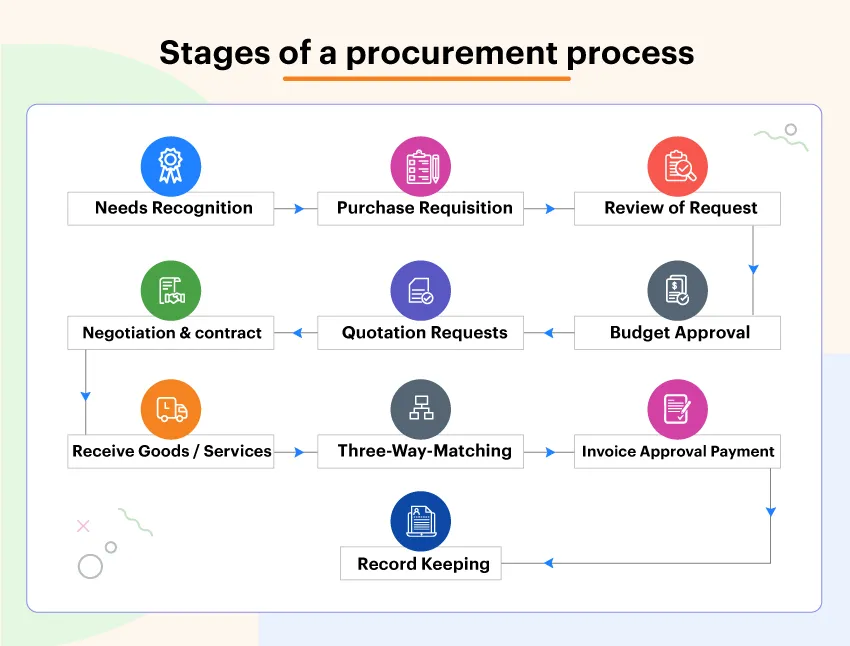
A tender bid evaluation is the formal method used by government agencies to choose the most suitable bidder for a tender notice. It is not limited to selecting the lowest price; it also verifies capability, compliance, and feasibility to deliver. Most procurement authorities follow documented procurement guidelines aligned with Public Procurement Rules Pakistan and their own regulations. In practice, evaluation usually happens in stages: (a) eligibility screening, (b) technical qualification and scoring, (c) financial scoring and comparison, and (d) contract award and post-award verification.
This process applies across Provincial Tender Portals and federal procurement sources, including the PPRA official website and provincial authorities such as PPRA, KPPRA, SPPRA, and BPPRA. For day-to-day Online Tender Hunting, you can browse all tenders and narrow them via category filters.
2) Step-by-Step Bid Submission Process and Opening Stages
The Bid Submission Process begins when a department publishes a tender notice with its RFP (Request for Proposal), BOQ (Bill of Quantities), scope, eligibility criteria, bid security requirements, and deadlines. Bids are submitted physically, digitally, or through E-Procurement Pakistan portals. Once the deadline passes, the bid opening and evaluation schedule begins.
Common submission formats
- Two-envelope: Technical envelope + financial envelope (financial opened after technical qualification).
- Single-stage, one envelope: Combined bid (mostly for simpler procurements).
- Single-stage, two envelope: One stage submission but separate technical and financial evaluation.
The tender notice may also specify a pre-bid meeting or clarification window. If the authority issues an addendum or corrigendum, it becomes part of the tender record and can affect scoring, eligibility, timelines, or BOQ items. Track these updates using Tender Alerts and the official portal announcements.
Tip for vendors: Always maintain a checklist and ensure your RFP response addresses mandatory compliance items first, then technical scoring items. Many bidders lose not due to price, but due to missing compliance documents or incomplete annexures.
3) Technical Qualification and Committee Scoring Criteria
The Tender Evaluation Committee Pakistan checks eligibility and technical qualification before any price comparison in most two-envelope tenders. This stage ensures that only capable bidders proceed to financial evaluation. The committee reviews documents, experience, methodology, capacity, and compliance against procurement guidelines stated in the tender documents.
Mandatory eligibility checks (pass/fail)
- Valid NTN and tax documentation (and sales tax registration where applicable)
- Active taxpayer status (where required by the tender)
- Required registrations (e.g., PEC for relevant construction categories)
- Signed and stamped forms, affidavits, declarations, and bid submission sheets
- Bid Security Pakistan in the correct format, amount, and validity (if required)
- Compliance with required submission format and deadline
Typical technical scoring areas
Exact weightage varies by authority and category. Below is a realistic scoring model often seen across PPRA tenders and provincial procurement:
| Technical Evaluation Factor | Typical Weightage Range | Evidence Usually Required |
|---|---|---|
| Relevant Experience / Similar Work | 15% to 25% | Work orders, completion certificates, references |
| Methodology / Technical Proposal (RFP response) | 20% to 30% | Plan, approach, timeline, quality controls |
| Financial Strength / Capacity | 10% to 15% | Bank statements, audited accounts |
| Manpower / Equipment / Resources | 10% to 20% | CVs, team structure, equipment ownership/lease proofs |
| Compliance & Certifications | 5% to 10% | ISO/standards, registrations, declarations |
| Mandatory Requirements | Pass/Fail | Forms, affidavits, bid security, format compliance |
In many procurements, a minimum technical threshold is applied (commonly 60% to 70%, but always confirm the tender document). Only those meeting technical qualification proceed to financial opening. To improve technical scoring, focus on clear evidence and direct mapping of your response to the RFP, BOQ, and tender specifications.
You can discover more opportunities for your niche by browsing tenders by category and tracking changes via tender alerts.

4) Financial Envelope Evaluation and Lowest Bid Scoring Formula
After technical qualification, the committee opens the financial envelope (or unlocks financial bids on E-Procurement Pakistan portals). Financial evaluation can follow different methods depending on the tender type: lowest evaluated cost, combined scoring, or QCBS-style models in services. When proportional scoring is used, a Lowest Bid Scoring Formula is applied to convert prices into comparable financial scores.
A common proportional formula:
Financial Score = (Lowest Bid Price ÷ Your Bid Price) × Financial Weightage
Financial weightage often ranges from 30% to 40% when technical is 60% to 70%. Note: some procurements award on lowest price among technically qualified bidders without proportional scoring. Always follow the method stated in the procurement documents and evaluation criteria.
Combined scoring illustration (example)
| Bidder | Quoted Price (PKR) | Financial Score (30%) | Technical Score (70%) | Final Score |
|---|---|---|---|---|
| Bidder A (Lowest Price) | 5,000,000 | 30.00 | 65.00 | 95.00 |
| Bidder B | 5,500,000 | 27.27 | 67.00 | 94.27 |
| Bidder C | 6,200,000 | 24.19 | 60.00 | 84.19 |
Financial scrutiny can also include checking arithmetic, taxes, BOQ alignment, unit rates, and completeness. If the tender document mentions abnormally low bids, a bidder may be required to justify rates and execution capacity.
5) Bid Ranking, Contract Award, and Post-Qualification Verification
After scoring, the committee finalizes bid ranking and recommends the top bidder for approval. Before issuing a contract award, many authorities conduct committee verification and post-qualification checks to confirm:
- Authenticity of experience certificates and references
- Tax compliance status and active registrations
- Bid security instrument validity (Bid Security Pakistan)
- Eligibility declarations and affidavits
- Technical capability to execute as per BOQ and RFP
Once approved, the authority issues a letter of acceptance or work order, and the successful bidder is required to submit guarantees, commonly including a Performance Bond Pakistan as per tender conditions. These steps are standard across Government Contracts Pakistan.
6) Tender Corrigendum Pakistan: How Updates Affect Evaluation
A Tender Corrigendum Pakistan may change criteria, scope, deadlines, BOQ items, or submission requirements. In many cases, corrigenda are legally binding documents that become part of the tender record. Vendors should track the official sources and confirm whether the corrigendum requires:
- Revised financial submission
- Updated technical proposal sections
- New compliance documents
- Deadline extension and re-submission rules
Corrigendum and official updates are typically published on the PPRA official website and relevant Provincial Tender Portals (KPPRA, SPPRA, BPPRA). Daily Tender Alert also highlights these updates in tender alerts so businesses do not miss changes.
Common Disqualification Reasons (Practical Checklist)
Many bids fail due to avoidable issues. Common disqualification triggers include:
- Missing documents, unsigned forms, or incomplete annexures
- Wrong bid security amount, expired instrument, or invalid format
- Failure to meet technical qualification threshold
- Non-compliance with BOQ, RFP, and procurement guidelines
- Late submission or incorrect envelope labeling
- Tax non-compliance where required by the tender
- Unverifiable experience claims or inconsistent documentation
To reduce risk, build a tender compliance checklist and verify requirements directly from the tender notice and bidding documents.
FAQ: Tender Bid Evaluation in Pakistan
What is the minimum qualifying score for technical bids in Pakistan?
The minimum qualifying score is specified in each tender document and varies by authority. In many procurements, technical qualification thresholds are commonly set around 60% to 70% before opening the financial envelope.
Does the lowest price always win a tender in Pakistan?
Not always. Many tenders use combined scoring where the final bid ranking depends on technical and financial scores. The lowest price may not win if the technical score or compliance is weaker.
What is the Lowest Bid Scoring Formula used in financial evaluation?
A common proportional scoring method awards maximum financial points to the lowest price and scales other bids using: Financial Score = (Lowest Bid Price ÷ Your Bid Price) × Financial Weightage, as described in the tender documents.
What is Bid Security Pakistan in tenders?
Bid security is an earnest money instrument required by many tenders to ensure bid seriousness. The amount, validity, and acceptable instruments are defined in the tender notice and procurement documents.
What is a Performance Bond Pakistan and when is it required?
A performance bond is a post-award guarantee submitted by the winning bidder to secure contract performance. The percentage and format depend on the tender and contract conditions.
Conclusion
Tender bid evaluation in Pakistan is a structured process governed by Public Procurement Rules Pakistan and implemented across PPRA Tenders, Provincial Tender Portals, and E-Procurement Pakistan systems. Bids are screened for compliance, assessed for technical qualification, compared through financial evaluation (often using a Lowest Bid Scoring Formula), verified through committee checks, and awarded under Government Contracts Pakistan with supporting guarantees such as Bid Security Pakistan and Performance Bond Pakistan.